
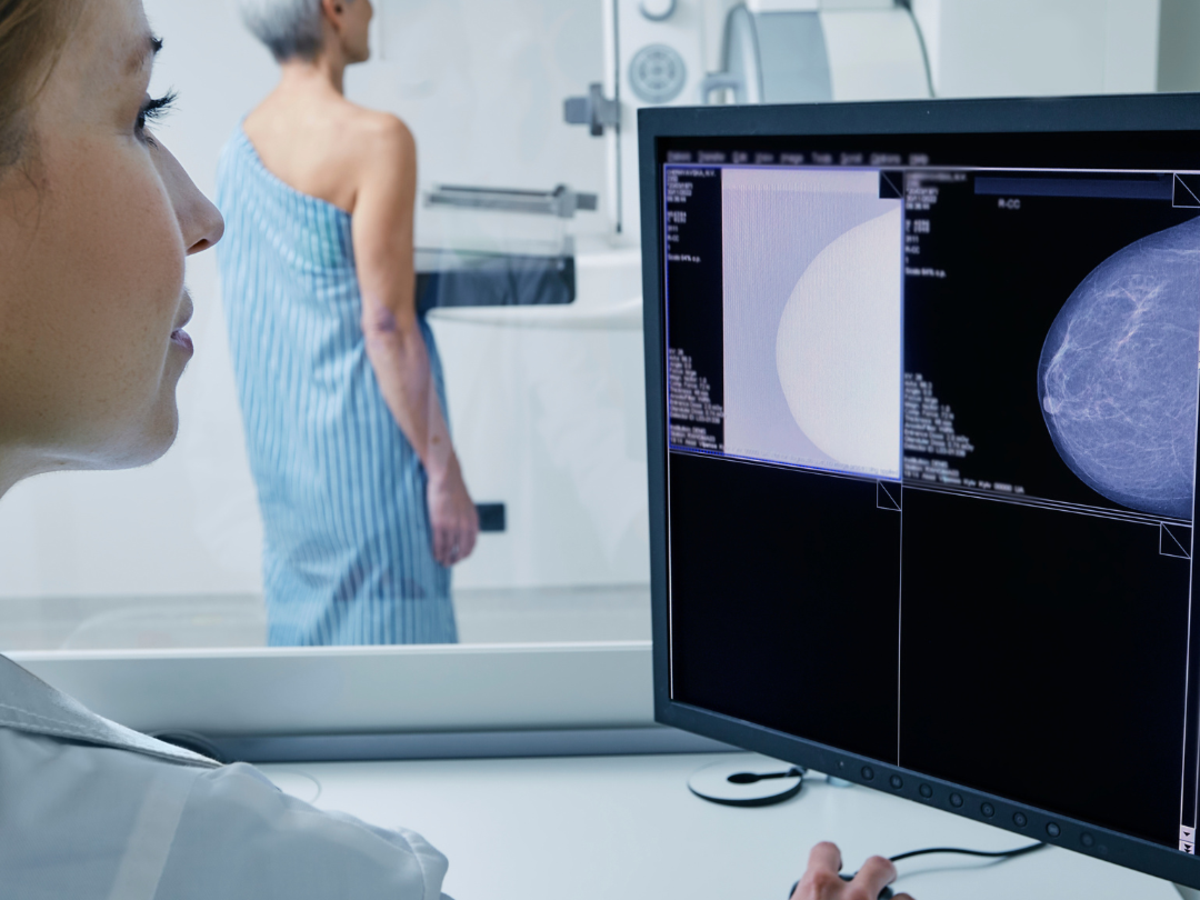
Mammography and Breast Implants: What Patients Should Know
Breast implants are a common and safe option for enhancing breast shape, restoring volume, or reconstructing the breasts after surgery. However, many patients with implants express concern about routine breast cancer screening—specifically whether mammograms can damage or disturb their implants.
While mammography remains an essential tool for early breast cancer detection, it does require special considerations for patients with breast implants. Understanding how mammograms interact with implants—and what options exist to protect them—can help patients feel informed, confident, and proactive about their breast health.
Can Mammography Damage Breast Implants?
Mammography uses compression to spread out breast tissue so that abnormalities can be detected more easily. For patients with breast implants, this compression can feel concerning—but implant rupture during mammography is rare.
That said, implants—whether silicone or saline—can be affected under certain conditions, especially if:
- The implant is older
- The implant shell has weakened over time
- There is pre-existing capsular contracture
- Excessive compression is applied incorrectly
The risk is low, but not zero. This is why it’s critical for patients with implants to inform their imaging center before the mammogram is performed.
Why Breast Implants Make Mammograms More Complex
Breast implants sit either behind the breast tissue (subglandular placement) or behind the chest muscle (submuscular placement). Regardless of placement, implants can partially obscure breast tissue during imaging, making standard mammogram views less effective.
To address this, radiology technicians use specialized techniques designed specifically for patients with implants.
Implant Displacement Views: A Safer, Standard Practice
Most imaging centers perform what are known as implant displacement views (also called Eklund views). These involve gently pushing the implant back toward the chest wall while pulling the breast tissue forward. This allows better visualization of the breast tissue while minimizing direct pressure on the implant itself.
When performed by a trained technician:
- Less compression is applied directly to the implant
- Breast tissue is more clearly visible
- The risk of implant damage is significantly reduced
This technique is widely accepted and considered the standard of care for patients with breast implants undergoing mammography.
Can Mammography Cause Implant Rupture?
Although uncommon, implant rupture during mammography has been reported—most often in implants that were already compromised. Silicone implants, in particular, may rupture silently without obvious symptoms.
This risk reinforces the importance of:
- Choosing an experienced imaging center
- Keeping implants monitored over time
- Following recommended imaging guidelines
It’s also worth noting that modern implants are designed to withstand significant pressure, including that used during medical imaging.
Additional Imaging Options
Most surgeons recommend that patients reach and maintain a stable weight before undergoing body sculpting procedures. Fluctuating weight after surgery can compromise results by:
Breast Ultrasound
Ultrasound uses sound waves rather than compression or radiation. It does not disturb implants and is helpful for evaluating specific areas of concern, especially in dense breast tissue. However, it does not replace mammography for routine cancer screening in most patients.
Breast MRI
Breast MRI is the most sensitive imaging option for evaluating both breast tissue and implant integrity. It is particularly useful for:
- Detecting silent implant ruptures
- Screening high-risk patients
- Evaluating unclear mammogram findings
MRI does not use compression and poses no risk to implants. However, it is more expensive and typically reserved for specific indications.
3D Mammography (Tomosynthesis)
3D mammography provides layered images of the breast, improving cancer detection rates and reducing the need for repeat imaging. While compression is still required, it may offer better visualization in patients with implants and dense tissue
How to Protect Your Breast Implants During Mammography
There are several proactive steps patients can take to reduce risk and discomfort during breast imaging:
Always Disclose Your Implants
Inform the imaging center at the time of scheduling and again at your appointment. This ensures the correct equipment and trained personnel are available.
Choose an Experienced Imaging Facility
Not all imaging centers have the same level of experience with breast implants. Facilities that regularly image patients with implants are better equipped to perform safe, effective studies.
Know Your Implant Type and Placement
Being aware of whether your implants are silicone or saline—and whether they are placed above or below the muscle—can help guide imaging decisions.
Follow Implant Monitoring Guidelines
Silicone implants should be monitored periodically for silent rupture, often using MRI. Staying current with these recommendations can help identify issues early.
Does Having Implants Mean Skipping Mammograms?
Absolutely not. Breast cancer screening is just as important for patients with breast implants. Implants do not increase breast cancer risk, but they also do not protect against it.
Routine screening, combined with appropriate imaging techniques, allows for early detection while maintaining implant safety.
The Bottom Line
Mammography is safe for patients with breast implants when performed correctly, but it does require specialized techniques and informed care. While there is a small risk of implant disturbance or rupture, this risk is significantly minimized by experienced imaging centers, implant displacement views, and supplemental imaging when appropriate.
Patients with breast implants should never avoid breast cancer screening out of fear. Instead, open communication with healthcare providers and a personalized imaging plan can ensure both breast health and implant integrity are protected.
Schedule a Breast Health Consultation at Belcara Health
At Belcara Health, we believe patient education and long-term safety are just as important as beautiful results. Our experienced surgical team works closely with patients who have breast implants to ensure they understand how routine breast imaging, including mammography, fits into their ongoing care. Whether you’re preparing for your first mammogram with implants, concerned about implant integrity, our team is here to guide you every step of the way.
Book your consultation today and take the next step toward feeling fully confident in your body.
Call (410) 296-0414 or book a consultation at Belcara Health today and let our team show you what's possible at Belcara Health!